

Plunge pools at CrossFit gyms. Ice baths in athlete recovery lounges. Cold-water immersion has moved from elite sport into mainstream fitness culture, and with that shift comes a question: does the science support using cold exposure as a recovery tool, or is this another case of optimizing something that doesn’t need optimization?
The short answer
Cold water immersion reduces delayed-onset muscle soreness in specific contexts—meta-analyses show meaningful reductions in perceived soreness after eccentric or mixed training sessions. But it may interfere with the strength and muscle-building adaptations you’re training for, and it carries cardiovascular risks for older adults and anyone with heart or blood-pressure conditions. It’s a tactical tool for competition phases when you need to feel ready again quickly, not a routine training habit.
How cold exposure therapy actually works
When you immerse yourself in cold water—studies typically examine temperatures between roughly 50-59°F—your body doesn’t relax. It reacts. Within seconds, you experience what researchers call the cold shock response: involuntary gasping, rapid breathing, and spikes in heart rate and blood pressure. This isn’t a zen experience. It’s a genuine cardiovascular stress event.
Your peripheral blood vessels constrict, skin and muscle temperature drop, and your sympathetic nervous system floods your system with adrenaline and noradrenaline. Cold water immersion also reduces circulating inflammatory markers in the hours after exposure.
Here’s where it gets complicated: post-exercise inflammation isn’t purely “damage to repair.” It’s part of the signal that tells your muscles to adapt—to get stronger, to build more contractile protein, to prepare for the next bout. Suppress that signal too aggressively, and you might feel less sore while simultaneously undermining the adaptations you’re trying to build.
Does it actually reduce soreness—and what does that mean in practical terms?
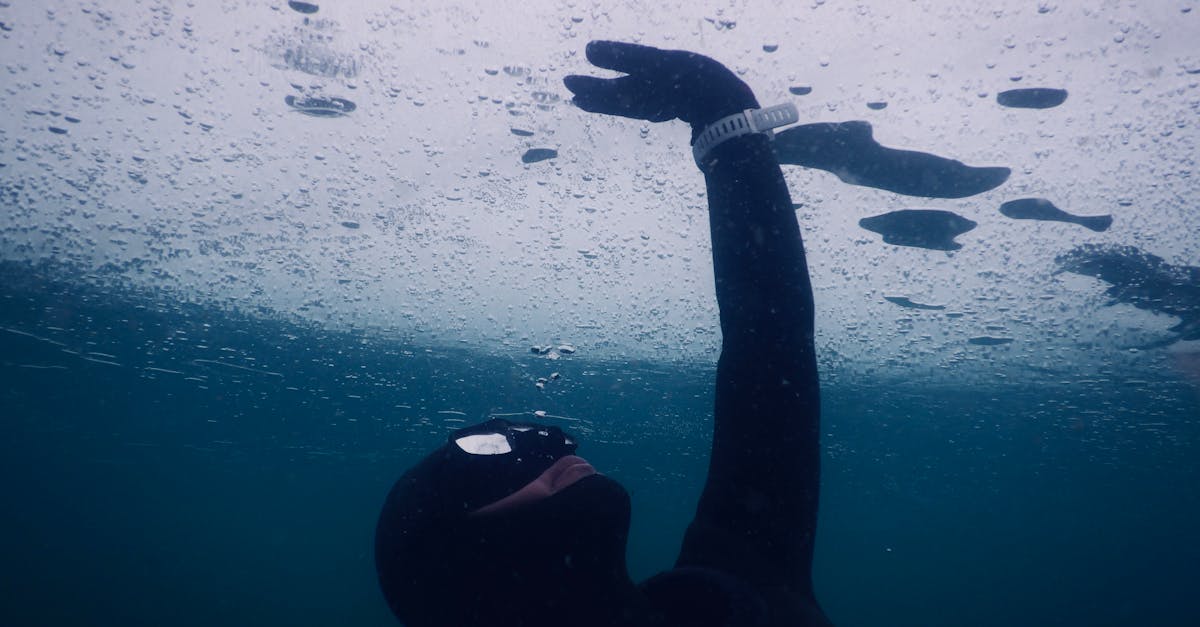
Yes, with caveats. Meta-analyses show that cold water immersion reduces delayed-onset muscle soreness—the muscle ache you feel one to two days after a tough session. The effect is most consistent when you’ve done combined endurance and strength work in the same session, less reliable if you’ve only done resistance training.
What does that reduction actually mean? If you’d normally rate your soreness at a 7 out of 10 on a pain scale, cold immersion might bring that down to a 5 or 6. You’ll notice the difference—stairs hurt less, sitting down is less of an ordeal—but you’re not eliminating soreness entirely. You’re taking the edge off.
The catch: you feel less sore, but objective measures of recovery—how much strength you’ve regained, whether you’re actually ready to train hard again—don’t improve as consistently. Your subjective perception shifts more than your measurable performance capacity.
Timing matters. Cold water immersion only works if you do it within several hours of training. Immediate immersion produces the strongest soreness reduction, but also carries the highest risk of blunting adaptations. Wait too long, and the evidence gets much weaker.
The adaptation trade-off nobody mentions
Here’s the information most fitness articles skip: cold water immersion may reduce the strength and muscle growth you get from training. This isn’t a minor footnote—it’s the primary reason sports scientists now caution against routine cold water immersion during heavy strength-training blocks.
Resistance training triggers molecular pathways that drive muscle protein synthesis. Acute cold exposure can suppress these signals. The practical meaning: if you’re in a training phase where your goal is to build strength or add muscle, regular cold water immersion is working against you. The soreness reduction comes with a cost—potentially smaller adaptations over the training cycle.
If you’re in a competition phase and need to recover between events over a short window (a tournament weekend, back-to-back games), cold water immersion makes more sense. You’re prioritizing feeling ready to perform again over long-term adaptation. That’s a reasonable trade when the calendar demands it.
How cold immersion compares to other recovery methods
Cold water immersion isn’t the only recovery tool, and it’s not always the best one. Sleep extension—getting an extra hour of sleep during heavy training—improves both subjective recovery and objective performance measures without suppressing adaptation. Post-workout protein intake supports muscle repair and growth. NSAIDs reduce soreness but carry their own adaptation concerns (and gastrointestinal risks with regular use).
The decision framework: cold water immersion makes sense when you need to feel less sore quickly for an upcoming competition or event, and you’re willing to accept the adaptation trade-off. It doesn’t make sense as a daily training habit when sleep, nutrition, and training load management will serve your long-term goals better—without the cardiovascular risks or adaptation suppression.
What actually varies: temperature, timing, and who responds

Not all cold exposure is equivalent. The commonly studied range is cool to cold water for brief durations—typically ten to fifteen minutes. Colder isn’t better. It just increases safety risk without improving soreness reduction. Longer durations don’t add benefit.
Extremely cold water poses real safety risks: heightened cold shock response, potential for hypothermia with extended exposure, and increased cardiovascular stress that can be dangerous if you’re not prepared for it.
Individual response varies. Younger, fitter athletes show more consistent soreness reduction. Your body adapts to the stimulus over repeated sessions—the effect diminishes over time. This makes cold water immersion a tactical tool, not a permanent fixture in your recovery methods.
Who should skip it entirely—and why cardiovascular risk matters
Cold water immersion is contraindicated for anyone with cardiovascular disease, uncontrolled hypertension, a history of cardiac arrhythmia, Raynaud’s syndrome, or peripheral neuropathy. The acute spike in heart rate and blood pressure during the cold shock response can be dangerous for people with compromised cardiovascular systems. Adults over 65, even without diagnosed heart conditions, face elevated risk from the sudden cardiovascular stress.
This isn’t theoretical. The cold shock response—those first few moments of involuntary gasping and rapid breathing—poses a real drowning risk for weak swimmers or anyone who might panic. The combination of cardiovascular stress and potential for panic or disorientation makes this a genuine safety concern, not marketing hedge language.
If you have any of the conditions listed above, are over 65, or are unsure about your cardiovascular health, check with a doctor before trying cold water immersion. The Mayo Clinic flags these risks explicitly in their guidance on exercise recovery methods.
FAQ
How long should you stay in cold water?
Brief immersion—ten to fifteen minutes—is the range most studied in the research. Longer doesn’t improve soreness reduction and increases hypothermia risk.
How soon after exercise should you do cold water immersion?
Within several hours of training. Immediate immersion suppresses soreness most but may interfere more with adaptation. Delayed immersion has weaker evidence.
Can cold water immersion cause hypothermia?
Yes, if the water is very cold or if you stay in for extended periods. The larger acute risk is the cold shock response—involuntary gasping and hyperventilation in the first few moments—which poses cardiovascular and drowning risks.
Does cold water immersion improve muscle growth?
No. Evidence suggests it may reduce muscle-building adaptation to resistance training by suppressing the molecular pathways that drive muscle protein synthesis.
Who should NOT do cold water immersion?
Anyone with cardiovascular disease, uncontrolled hypertension, Raynaud’s syndrome, neuropathy, or a history of cardiac arrhythmia. Adults over 65 face elevated cardiovascular risk. Weak swimmers and children should not attempt it without close supervision.
If your goal is to feel less sore for a specific event or competition phase, cold water immersion has a narrow, evidence-based role. If your goal is to build strength or muscle, sleep and athletic recovery and post workout nutrition muscle recovery will serve you better—and won’t suppress the adaptations you’re working for.
This article is for general information only and is not a substitute for professional medical advice, diagnosis, or treatment. Anyone with cardiovascular disease, hypertension, Raynaud’s syndrome, neuropathy, or adults over 65 should consult a healthcare provider before attempting cold water immersion.