

You wake up, check your Fitbit, and see a “sleep score” of 72. Your tracker says you got 7 hours and 23 minutes, with 1 hour 12 minutes of deep sleep. You felt like you slept poorly—woke up three times, tossed around at 3 a.m.—but the device seems confident. Should you trust it?
The short answer
Sleep trackers are reasonably accurate at detecting when you’re asleep versus awake (around 75–88% agreement with lab studies), but much less reliable at identifying which type of sleep you’re in. They measure heart rate and movement, then infer sleep stages without the brain-activity data that clinically defines them. Use them for tracking trends over weeks, not as diagnostic tools. If you have symptoms like loud snoring, witnessed breathing pauses, or severe daytime fatigue that don’t match your tracker’s readings, see a sleep specialist—your device can’t detect sleep disorders.
How sleep trackers actually work
Most wearable sleep data comes from two sensors: an accelerometer (which detects movement) and a photoplethysmography (PPG) sensor (which measures heart rate by shining light through your skin). Some premium models add skin temperature and respiratory rate.
Here’s what that means in practice:
What they measure directly:
- Heart rate and heart rate variability (HRV)
- Movement and body position
- Time in bed (when you’re wearing the device)
- Skin temperature (Oura Ring, some Garmin models)
What they infer (not measured directly):
- Whether you’re asleep or awake (estimated from stillness and heart rate patterns)
- Sleep stage—light, deep, or REM sleep—based on HRV fluctuations and movement
The key word is infer. Yes, fitness trackers measure sleep, but indirectly. They’re making educated guesses based on correlations between heart rate, movement, and known sleep patterns. They don’t have access to the data that clinically defines sleep: electrical brain activity (EEG), eye movement, and muscle tone. Those require polysomnography—a sleep lab study with electrodes on your scalp.
What the research says about sleep tracker accuracy
Sleep versus wake: the most reliable measurement
In validation studies comparing wearables to polysomnography, most modern trackers show 75–88% sensitivity for detecting sleep versus wakefulness. That means if you’re asleep, the device correctly identifies it about three times out of four.
Consumer wearables tested against lab polysomnography show Fitbit devices averaging around 80% agreement for sleep/wake detection. Apple Watch and Garmin devices fall in a similar range. Oura Ring, which uses infrared PPG and temperature sensors, performs slightly better—around 85–87% in lab studies.
The limitation: accuracy drops if you have irregular sleep, frequent brief awakenings, or if you’re lying still but awake (scrolling your phone in low light, for example). The device may count quiet wakefulness as sleep because your heart rate is low and you’re not moving.
Device-specific performance: what works best for what
Not all trackers perform equally across different sleep metrics. Here’s what matters:
Best for sleep/wake detection (85–87% accuracy):
- Oura Ring (benefits from stable finger placement and temperature sensing)
- Whoop Strap (designed specifically for recovery metrics, worn on wrist or bicep)
Good for sleep/wake, less reliable for stages (75–82% accuracy):
- Fitbit Charge, Versa, and Sense models (tend to overestimate deep sleep by 10–20 minutes)
- Apple Watch Series 4 and newer (~70% accuracy for REM detection)
- Garmin Forerunner and Fenix series (conservative stage estimates, often lump light/deep together)
What this means: If you care primarily about tracking total sleep time and consistency, any modern wrist tracker will work. If you’re focused on stage data—say, trying to optimize deep sleep for recovery—the percentages are too unreliable to guide specific interventions. Even the best devices get REM and deep sleep wrong 25–30% of the time.
Sleep stages: much less reliable
This is where wearable sleep data becomes shakier. Accuracy for identifying deep sleep (slow-wave sleep, or N3) and REM sleep ranges from 60–75%, with significant variation between devices and individuals.
Most trackers overestimate deep sleep and underestimate light sleep. Why? Deep sleep is defined by slow brain waves visible on EEG. Wearables don’t have EEG—they’re guessing based on low heart rate variability and minimal movement, patterns that correlate with deep sleep but aren’t exclusive to it. You might be in light sleep with a low heart rate due to medication, recent exercise, or your baseline physiology.
Research on wearable sleep measurement shows that REM detection averages around 70% accuracy, and deep sleep around 65%. Some fitness trackers don’t attempt to separate light and deep sleep at all—they lump them together.
Total sleep time: usually overestimated
On average, trackers overestimate total sleep by 15–30 minutes compared to polysomnography. This happens because they miss brief awakenings you don’t consciously remember. If you wake for 90 seconds, shift position, and fall back asleep, the device may not register the interruption. The result: you feel unrested, but your tracker says you slept 7 hours.
Accuracy varies by who’s wearing it
Here’s a critical gap in most validation studies: they test trackers on healthy sleepers with regular schedules. If that’s not you, accuracy may be worse.
People with sleep apnea: Trackers miss most apnea events. You might have 30 breathing pauses per hour—enough to fragment sleep and cause severe daytime fatigue—but your device shows solid 7-hour nights because you’re lying still. The American Academy of Sleep Medicine does not recommend wearables for detecting or monitoring sleep apnea.
People with insomnia: If you spend long periods awake but lying quietly in bed, trackers often misclassify this as light sleep. Your subjective sleep quality will be much worse than your tracker suggests.
Shift workers and irregular schedules: Algorithms trained on standard sleep-wake cycles struggle with split sleep, naps, or rotating shifts. Your tracker may not recognize a 3-hour afternoon sleep block as “sleep” if its algorithm expects nighttime rest.
Older adults: Age-related changes in sleep architecture (lighter sleep, more awakenings) mean trackers often overestimate sleep efficiency in people over 65. Research on sleep tracking in older populations shows larger discrepancies between device data and subjective experience.
If your lifestyle or health doesn’t match the “healthy sleeper” profile, treat your tracker’s data as even more approximate.
When to see a sleep specialist (not just check your tracker)
A week of low sleep scores doesn’t mean you need a sleep study. But certain patterns—especially when your tracker data conflicts with how you actually feel—warrant professional evaluation. According to the CDC, consider seeing a sleep medicine specialist if you have:
Red-flag symptoms that trackers can’t assess:
- Loud snoring with witnessed breathing pauses or gasping (possible obstructive sleep apnea)
- Severe daytime sleepiness despite your tracker showing 7–8 hours of “good sleep”
- Frequent leg movements or restlessness your partner notices but your tracker doesn’t flag
- Falling asleep unintentionally during the day (at work, while driving)
Persistent mismatch between data and experience:
- Your tracker consistently shows adequate sleep, but you wake unrefreshed every day
- You feel you’re awake for hours at night, but your device shows 85% sleep efficiency
Concerning patterns over several weeks:
- Total sleep time under 6 hours nightly despite adequate time in bed
- Frequent long awakenings (30+ minutes) multiple times per night
- Worsening sleep quality correlating with new health symptoms (headaches, mood changes, weight gain)
Trackers can surface patterns worth discussing with a doctor, but they can’t diagnose. If something feels wrong, trust your body and seek evaluation. Polysomnography—a monitored sleep study—measures brain waves, breathing, oxygen levels, and muscle activity. That’s the standard for diagnosing sleep disorders, and it catches problems wearables miss entirely.
Should I trust my sleep score?
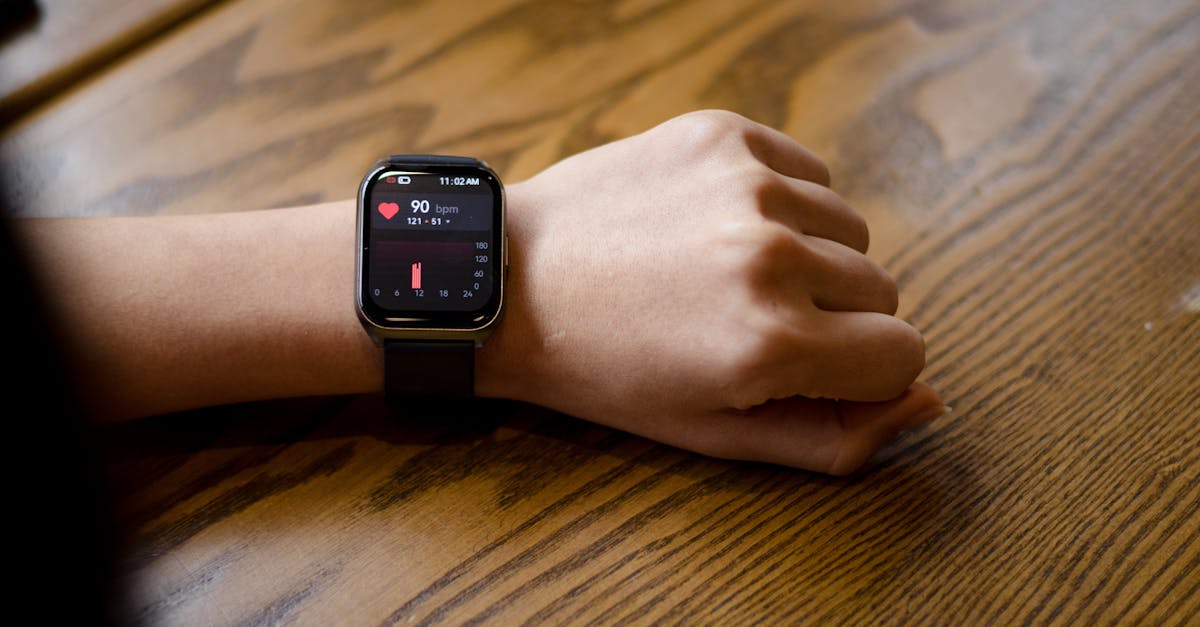
Sleep scores are proprietary algorithms—each manufacturer calculates them differently. Fitbit’s “Sleep Score” weighs total sleep time, time in each stage, and restlessness. Oura’s “Sleep Score” incorporates body temperature and HRV recovery. Apple Watch uses time in bed and movement patterns.
Here’s what to trust: trends, not individual numbers. If your Oura Ring shows consistently lower sleep scores during a stressful week, that’s useful information. If one night shows 82 and another shows 79, the difference is noise—don’t adjust your life around it.
What not to trust: comparing scores across devices. A Fitbit score of 75 doesn’t mean the same thing as an Oura score of 75. And don’t use a single night’s score as evidence of a sleep disorder. Sleep tracker accuracy varies too much for that.
The EEG gap: why wearables can’t match a sleep lab
Polysomnography defines sleep stages by brain electrical activity (EEG), eye movement (EOG), and muscle tone (EMG). Light sleep, deep sleep, and REM each have distinct EEG signatures. Wearables have none of these sensors—they’re working with heart rate and movement, which are downstream effects of sleep, not the defining characteristics.
Think of it this way: if polysomnography is reading the full score of a symphony, your Fitbit is listening through the wall and guessing which movement is playing based on tempo and volume. It can get the general shape right, but it will miss the nuances.
This is why sleep medicine specialists rely on lab studies for diagnosis. For general sleep health information and when clinical evaluation is needed, resources like Mayo Clinic’s sleep guidance and MedlinePlus sleep disorders information can help you understand the difference between self-monitoring and medical assessment.
Factors that reduce accuracy
Even within the 75–88% range for sleep/wake detection, accuracy varies based on:
- Fit and wear consistency. Loose wristbands = false wake time. The device must touch skin to read heart rate reliably.
- Tattoos and skin tone. Optical sensors (PPG) struggle with darker skin pigmentation and tattoos, which absorb or scatter the light used to detect blood flow.
- Movement without sleep. Exercise, fidgeting in bed, or even a bumpy car ride can be misclassified as sleep if heart rate is low.
- Sleep disorders. If you have sleep apnea or restless leg syndrome, you may have dozens of micro-awakenings per night. Wearables often miss these, underestimating sleep disruption.
- Alcohol, caffeine, and medications. These change HRV and movement patterns in ways trackers may misinterpret. A beta-blocker lowers your resting heart rate; the device might read that as deeper sleep than you’re actually getting.
- Individual physiology. What looks like “deep sleep” in one person’s heart rate variability may be light sleep in another. Wearables can’t account for this without personalized calibration—and most don’t offer it.
What sleep trackers cannot do

Let’s be precise about the limits:
- They cannot diagnose sleep disorders. Not sleep apnea, not insomnia, not restless leg syndrome. Even a week of “poor sleep scores” doesn’t confirm a clinical condition. You need a sleep study or consultation with a sleep medicine specialist.
- They cannot replace how you actually feel. You can feel rested after 6 hours or exhausted after 8, depending on stress, light exposure, caffeine timing, and mood. Trackers don’t measure how you feel—only duration and inferred stages.
- They cannot detect all awakenings. Micro-arousals lasting a few seconds don’t register. If you have obstructive sleep apnea, you might “wake” (in the clinical sense—brain activity shifts) 30 times an hour without consciously remembering it. Your tracker won’t catch that.
- They cannot tell you how much deep or REM sleep you personally need. General guidelines exist, but trackers’ stage data is too unreliable to set personalized targets based on their readings alone.
The orthosomnia problem: when tracking makes sleep worse
Here’s an underappreciated risk: obsessing over a “bad sleep score” can increase anxiety and create a self-fulfilling cycle. Researchers call this orthosomnia—the pursuit of perfect sleep data at the expense of actual rest.
If you wake feeling fine but your tracker says you only got 68% sleep efficiency, you might spend the day anxious and fatigued—not because your sleep was objectively inadequate, but because the number told you it was. Research suggests that over-reliance on sleep tracker data correlates with worse subjective sleep quality, even when objective measures like total sleep time improve.
Use trackers as a trend tool over weeks, not a daily report card. If you find yourself adjusting your evening routine based on fractional differences in a proprietary sleep score, step back.
What this means for you
Sleep trackers are better than guessing and worse than a sleep lab. They’re useful for:
- Spotting patterns over time. If your average sleep drops during travel or stressful weeks, that’s actionable.
- Motivating consistency. Seeing your bedtime and wake time logged can reinforce a regular sleep schedule.
- Noticing obvious problems. If you think you’re sleeping 8 hours but your tracker consistently shows 6, you may be underestimating time awake or have undiagnosed sleep disruptions worth investigating.
They’re not useful for:
- Diagnosing medical conditions
- Comparing your sleep to someone else’s (even on the same device)
- Making day-to-day decisions based on small score fluctuations
- Determining exact sleep stage percentages
If your tracker shows unusual patterns—frequent long awakenings, consistently low scores despite good sleep hygiene, or you suspect apnea—consult a sleep medicine specialist. Don’t try to troubleshoot a potential medical issue with firmware updates.
FAQ
Can fitness trackers actually measure sleep?
Yes, but only indirectly. They measure heart rate and movement, then infer sleep stages using algorithms. They don’t measure brain activity, so they’re estimating—not directly measuring—whether you’re in light, deep, or REM sleep.
What’s the difference between a fitness tracker and a sleep tracker?
Most fitness trackers (Fitbit, Apple Watch, Garmin) estimate sleep as a secondary feature using wrist-worn sensors. Dedicated sleep trackers (Oura Ring, Whoop) prioritize sleep data and often use more sensors (temperature, HRV), but they still infer sleep stages without EEG. The accuracy difference is modest—both types fall in the 75–88% range for sleep/wake detection.
Are sleep scores reliable?
Moderately reliable for trends, unreliable for single-night precision. A sleep score that drops 15 points during a stressful week is meaningful. A score that varies between 78 and 82 on consecutive nights is noise. Scores are proprietary and not comparable across devices.
How accurate are Fitbit, Apple Watch, and Oura sleep measurements?
Fitbit: ~80% agreement with lab studies for sleep/wake detection, tends to overestimate deep sleep. Apple Watch: similar range (75–82%), estimates sleep stages with ~70% accuracy for REM. Oura Ring: ~85–87% for sleep/wake, ~75–80% for REM, but still lacks EEG and varies by individual physiology.
Why does my tracker say I got 7 hours when I feel like I only slept 5?
The device may have counted quiet wakefulness as sleep (e.g., lying still while scrolling your phone). It also doesn’t account for subjective sleep quality—stress hormones, caffeine, and mood affect how rested you feel, but trackers only measure heart rate and movement.
When should I see a doctor instead of relying on my tracker?
See a sleep specialist if you have loud snoring with breathing pauses, severe daytime sleepiness despite adequate tracker-reported sleep, frequent witnessed leg movements, or a persistent mismatch between how you feel and what your device shows. Trackers can’t diagnose sleep disorders like apnea or insomnia—you need a proper sleep study for that.
If you’re curious whether your nightly numbers add up to healthy sleep, focus on the trend over two weeks, not the score from last night. And if something feels off—persistent fatigue, loud snoring, or long stretches awake—talk to a doctor. Your tracker can point you toward patterns worth discussing, but it can’t replace professional evaluation.
For general information only and not a substitute for professional medical advice. If you suspect a sleep disorder, consult a sleep medicine specialist.